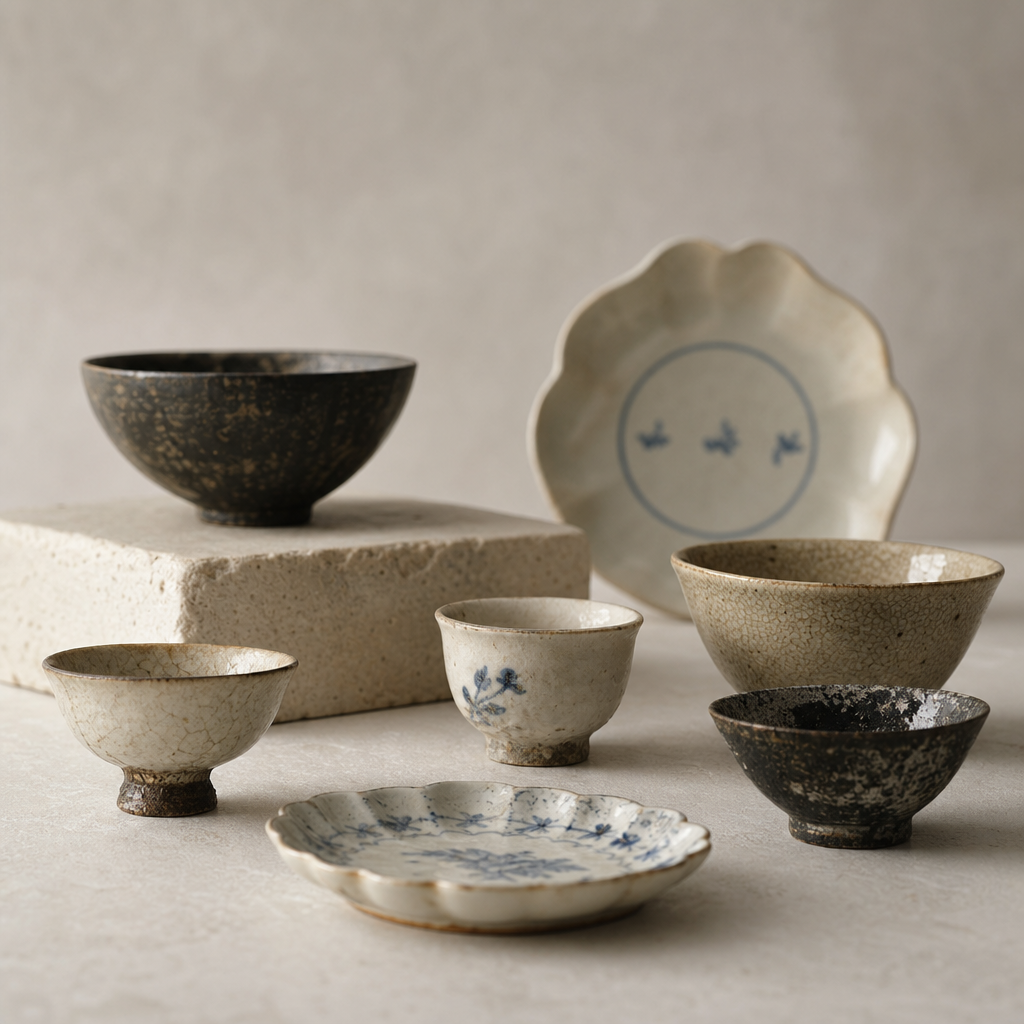
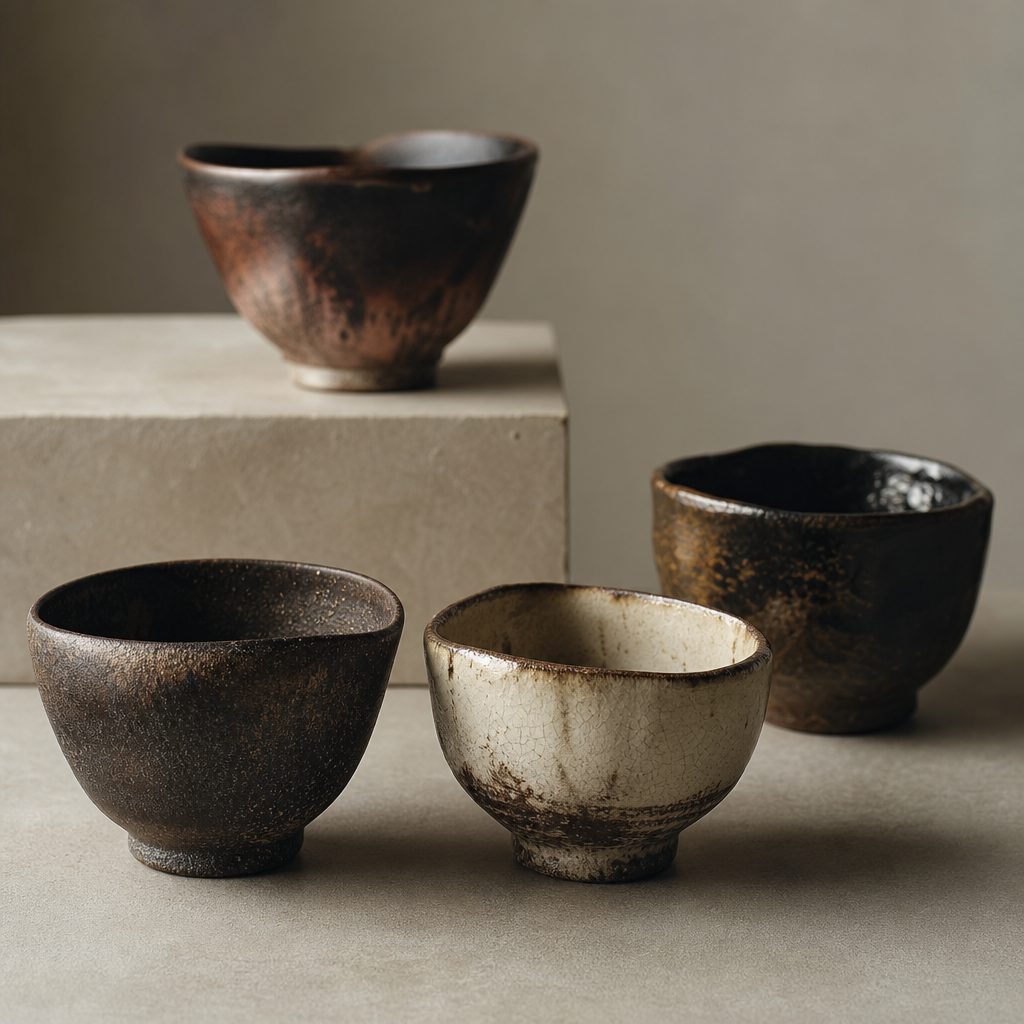
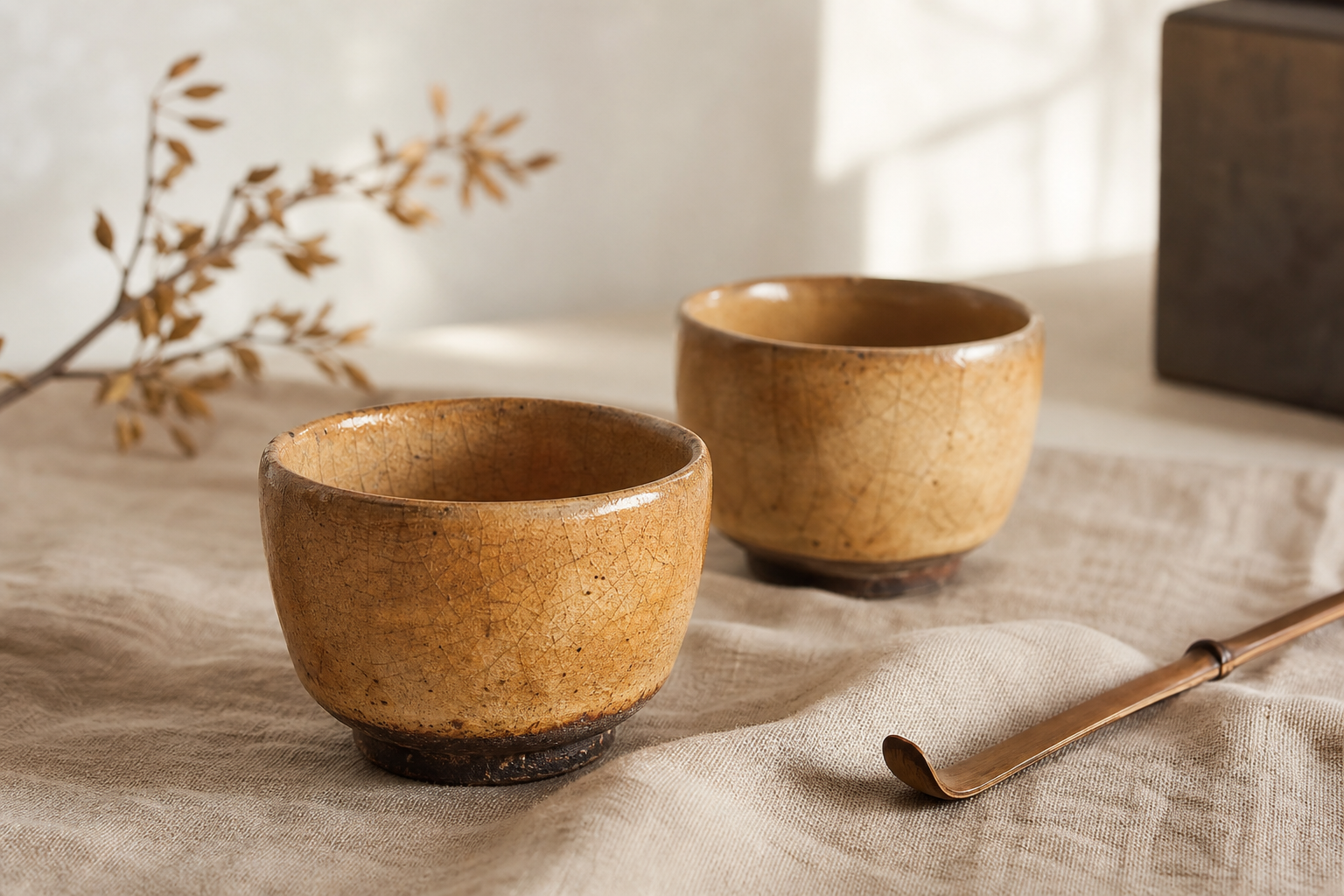
Collectors are drawn to patina not as wear, but as evidence. A thin ring where lips have met clay, a softened edge where fingers once turned a bowl—these are records of ritual. Age gives a cup its second firing; time settles the glaze into a calm, satin glow.
Provenance matters because it frames the object as a witness. A cup from a scholar’s desk or a rural kiln carries a lineage of taste and touch. Each piece becomes a document of culture, quietly affirming where it has been and how it was held.
The hand feel is intimate: a subtle thickness at the rim, a micro-porous clay body that breathes. Glazing shifts over decades, and the tea changes with it—gentler, rounder, more layered. The cup does not simply contain the tea; it reshapes the experience.